PUBLISHING LAW
Traditional publishing has transformed with the dizzying development of technology; cinemas and television screens have given way to mobile phones and digital platforms.
Scroll down
Cinematographic and Multimedia Works
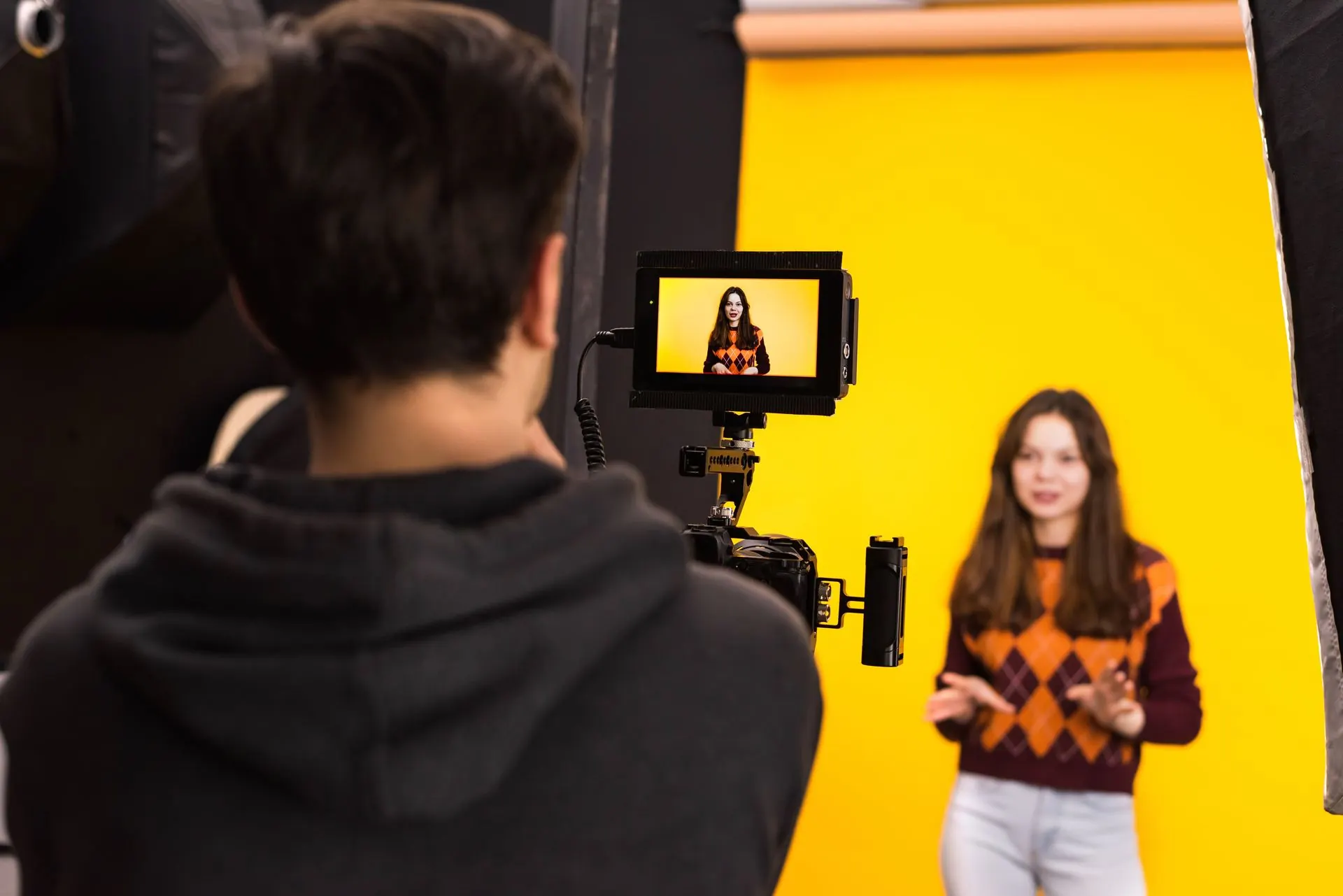
At the very centre of the digital transformation, our law firm offers specialised services on protecting "cinematographic works" under the Law on Intellectual and Artistic Works (FSEK) and managing the rights arising from them. Video content, short videos (Shorts/Reels) and vlogs published on platforms such as YouTube, Instagram and TikTok are, by their legal nature, "multimedia works" and deserve legal protection at least as strong as a film on the big screen.
Definition and Scope of Multimedia Works
Under Turkish law and the international conventions to which Türkiye is a party, such as the Berne and Rome Conventions and TRIPS, a cinematographic work is defined as a series of moving images arranged according to a plan with an aesthetic, scientific, educational or technical purpose. In light of this definition, a video edited by a YouTuber, an influencer's scripted short video or documentaries produced for digital platforms qualify as "multimedia works". To be protected, these works need only bear "originality" and be completed to a certain degree. Our firm manages the registration and protection of the digital content our clients produce as works and secures its commercial value.
Authorship and Producers' Rights
Rights ownership in cinematographic works is one of the most technical and multi-layered areas of our law. The legislator has adopted the principle of "joint authorship" for cinematographic works: the director, the composer of the original music, the screenwriter, the dialogue writer and, in animated productions, the animator are joint authors of the work. Alongside this creative team, the "producer", who bears the financial side of the work, and the "performers" (actors, voice artists) are protected as holders of related rights. Our firm provides professional support in drafting rights assignment agreements between producers and authors, drawing up performer agreements and resolving disputes arising from authorship.
Economic and Moral Rights
When a cinematographic work or a piece of social media content is created, two basic groups of rights vest in its author: moral rights and economic rights. Moral rights cover making the work public, attribution and protecting the integrity of the work (no unauthorised editing). Economic rights include reproduction, distribution, performance and the most critical right today, the "right of communication to the public" (publication over the internet). YouTube revenue models, digital licensing and copyright infringements in particular are directly connected to the transfer and exercise of these economic rights.
Legal Protection and Sanctions
Our publishing law department protects the entire legal life cycle of all content that qualifies as cinematographic or multimedia works (series, films, advertisements, music videos, social media videos). Where works are copied without permission, shared online without authorisation or altered, we carefully pursue actions to stop and prevent infringement and claims for pecuniary and non-pecuniary damages. These services, for both players in the traditional film industry and digital content creators in the new media, aim to protect the economic and moral value of creative work to the highest degree.

Digital Copyright
Content Protection
From the traditional film industry to YouTube content creators, we aim to protect the economic and moral value of creative work.